
Winter heat-retention film
Low-E Window Film for Chicago Buildings
In Chicago, the window problem that costs the most is often the one nobody sees: heat leaving through old glass for six months of the year. A thin low-emissivity layer bonded to the panes you already have keeps more of that heat in the room.
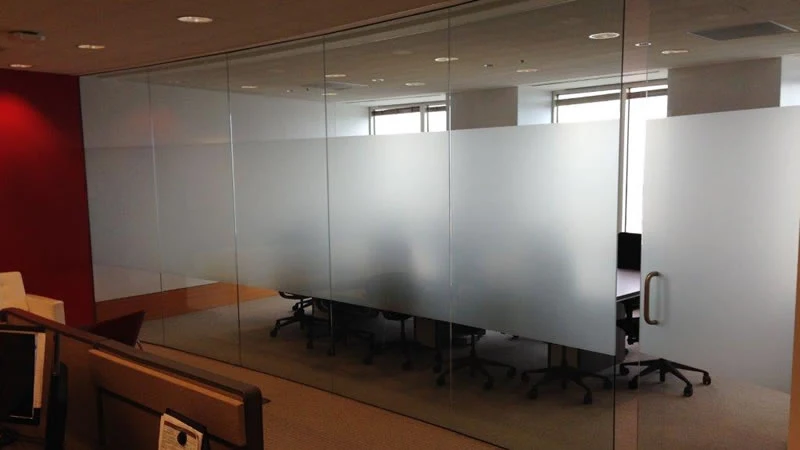 Chicago
How Low-E Window Film Works in a Chicago Winter
Every warm object gives off long-wave infrared heat, including people, furniture, radiators and room air. Ordinary uncoated glass absorbs that heat and passes much of it outdoors, which is why sitting next to a big single-pane window in January feels cold even when the thermostat says otherwise.
A low-E film has a thin coating that reflects much of that long-wave heat back into the room instead of absorbing it. The rated measure is emissivity: lower numbers mean more heat reflected. The practical effect is a lower U-value for the window, less heat lost through the glass and a smaller cold zone near it.
Most low-E films also reject a meaningful share of solar heat in summer. That two-season performance is why low-E film suits Chicago better than a pure solar film for many buildings.
Chicago Buildings That Benefit Most From Low-E Film
The best candidates have large areas of single-pane or older uncoated insulated glass and a long heating season to pay off the investment. Chicago has plenty of both. Early 20th-century office buildings in the Loop with original or early replacement windows, loft conversions in Ravenswood and the West Loop with big industrial sash, and mid-century apartment and institutional buildings in Hyde Park and Edgewater all fit.
Owners of those buildings often face a choice between full window replacement, which is expensive, slow and sometimes restricted in landmark buildings, and doing nothing. Low-E film is a middle option. It improves the glass that is there without touching frames, masonry or historic exterior details, and it can be done one floor or one tenant at a time.
Buildings that already have modern coated insulated glass gain far less from a second coating, and certain film products are not cleared for use on those units at all. We check before recommending anything.
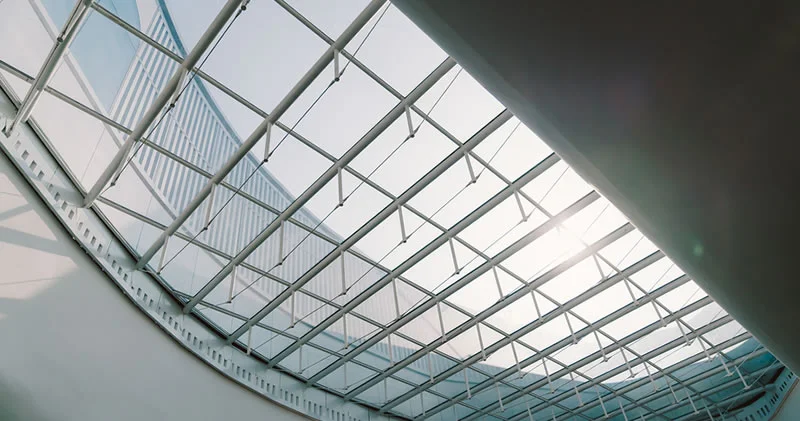
Low-E Film, Condensation and Cold Chicago Glass
Building managers often ask whether low-E film will stop condensation. The honest answer is that it is not a condensation fix. Condensation forms when indoor air with enough moisture meets a glass surface below the dew point. Low-E film keeps more heat in the room, but the glass surface itself can stay about as cold, so moisture can still form on very cold days.
Controlling indoor humidity, keeping air moving across the glass and making sure perimeter heating is not blocked by furniture or heavy drapes are the reliable fixes. Where condensation is chronic, we inspect sills and frames before installing so film edges are not sitting in water.
Low-E Film and Chicago Energy Benchmarking Goals
For buildings covered by Chicago's energy benchmarking ordinance, low-E film is one of few envelope improvements that can be made without construction permits for structural work or major disruption to tenants. It affects both heating and cooling, which makes it relevant to year-round energy use rather than one season.
We provide emissivity, U-value, solar heat gain and visible light data for each film on your glass so an energy consultant can model the effect. Results depend on the building, its heating system and how much glass is treated, and we leave the forecasting to people who can run the model with your actual utility history.
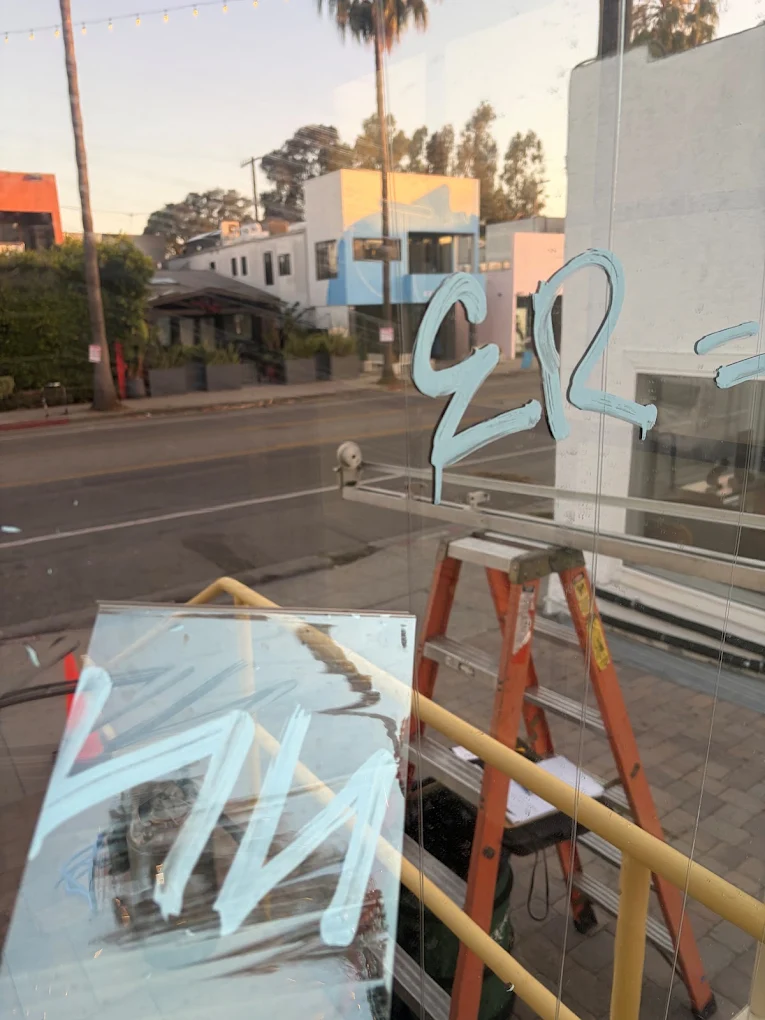
Low-E Film Results in Chicago Offices, Lofts and Apartments
Less Winter Heat Loss Through Old Glass
The low-emissivity coating reflects room heat back inside, reducing heat loss through single-pane and older glass and easing the load on boilers and furnaces through a long heating season.
Warmer Workspaces Beside Windows
By cutting the radiant chill from cold glass, low-E film makes desks and seats near windows usable in January, which frees perimeter space that tenants avoided.
Low-E Film That Also Cuts Summer Heat
Most low-E products also turn back a fair portion of incoming solar energy. The film that holds heat in during January lowers cooling load on sunny elevations in July and August.
Window Upgrade Without Replacement
Low-E film improves existing glass without removing sash or curtain wall units, which avoids construction disruption and helps in landmark buildings where replacement is complicated.
Chicago Low-E Window Film Questions
Does low-E film pay off in Chicago's climate?
On single-pane or older uncoated glass, often yes, because Chicago's long heating season gives the film many months to work. On modern low-E windows, gains are smaller and may not justify the cost.
Will low-E film change how my windows look?
Usually only slightly. Most products add a faint tint or a soft sheen when you look at the glass at an angle. We show samples so you can compare clarity and color on your own glass.
Can low-E film be installed in the middle of winter?
Yes. It goes on the interior surface in heated space. Drying is slower on cold glass, so some haze may last a few weeks before clearing.
How do you clean low-E window film?
After curing, use a soft cloth or squeegee with a mild, non-abrasive cleaner. Avoid razor blades and rough pads, which can scratch the coating.
Window film quote
Low-E Window Film Pricing for Chicago Properties
Tell us the building type, the age of the windows and how the space is heated. Photos of the glass and frames help us confirm compatibility. The quote form is set up for that, and so is info@windowfilmchicago.pro if your facilities team prefers email.
Prefer email? info@windowfilmchicago.pro