
Loop office window film
Window Film in The Loop, Chicago
The Loop is mostly offices, with some retail and a growing number of apartments in converted towers. We install film for tenants, building engineers and property managers who need glare, heat and privacy handled without a glass replacement.
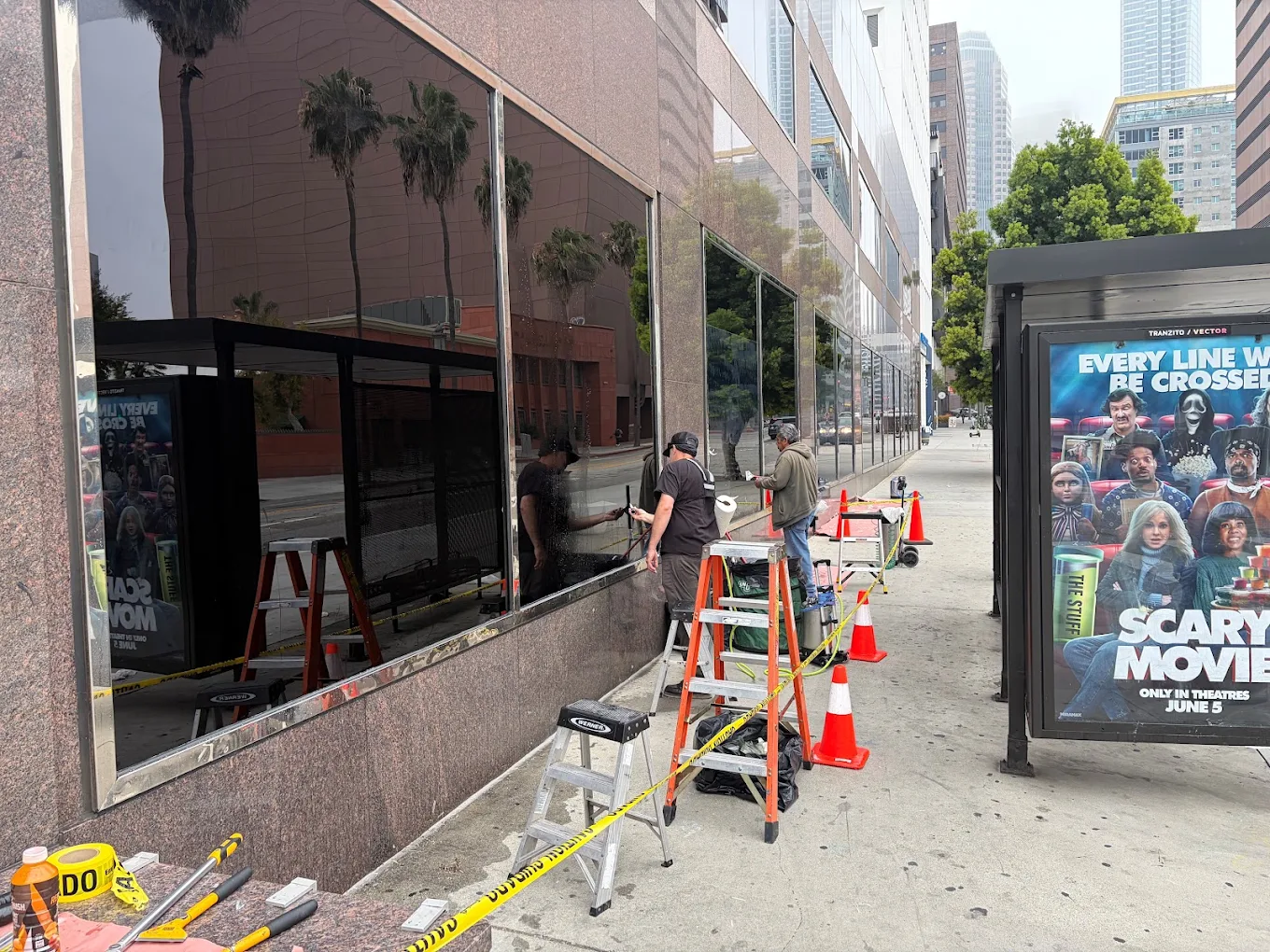 The Loop
Office Window Film for Loop Towers
Office floors in the Loop range from early skyscrapers with punched windows in masonry walls to curtain-wall towers that are glass from floor to ceiling. The complaints we hear depend on which kind you are in. In the older buildings it is usually a hot corner office and a few desks that cannot see their monitors in the afternoon. In the glass towers it is the whole perimeter row.
Solar control film on the inside of the glass cuts the heat and glare that reach those desks. A neutral or lightly tinted film keeps the view of the street and the river while taking the edge off direct sun. On a full floor we usually walk each exposure separately, because the east side of a tower and the west side can need different films.
Tenant installs are normally done after hours or on weekends so the space keeps working. Most Loop buildings have rules about contractors, freight elevator bookings and certificates of insurance, and we plan around those with your building manager before the first visit. A short site visit to count panes and check the glass usually comes before the final price.
Conference Room Privacy Film for Loop Office Buildouts
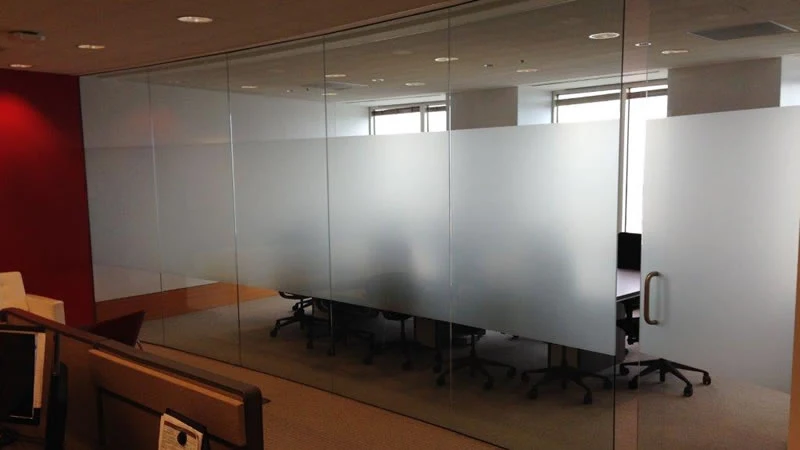
Glass-walled meeting rooms are standard in Loop office buildouts, and they are often the first thing a firm wants to change after moving in. A frosted band at seated eye level hides screens and faces from the hallway but leaves the top and bottom of the wall clear so the room still feels open and gets borrowed light.
Full-height frost works for HR offices, wellness rooms and phone rooms. Some firms add their logo or a simple line pattern cut into the film. Because it sits on interior glass, it is easy to change when the office reconfigures, and removal at the end of a lease is usually part of the conversation with the landlord.
- Frosted bands on glass conference room walls
- Full-height frost for HR and wellness rooms
- Cut-vinyl logos and patterns on interior glass
- Solar film on perimeter offices with afternoon sun
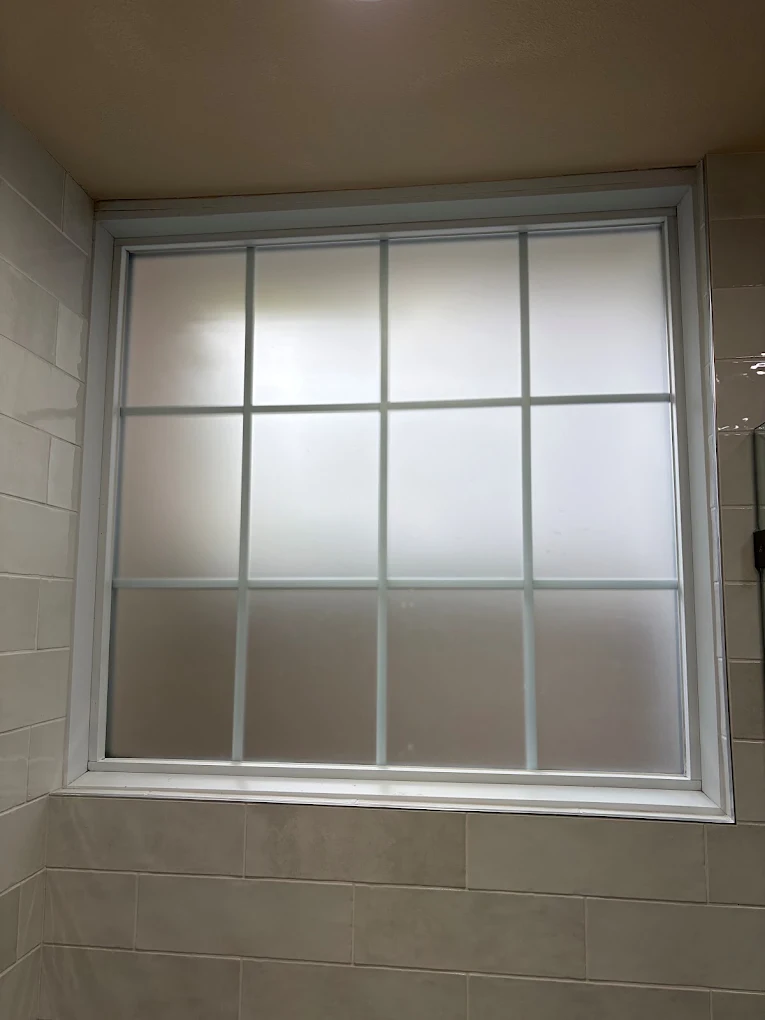
Window Film for Offices Facing the Loop L Tracks
The Loop L runs on its steel structure over Lake, Wabash, Van Buren and Wells, and on the lower floors of buildings along those streets the trains pass close to the windows. Riders on a stopped train can look straight into a second- or third-floor office. Light frosted or reflective film on that glass stops the view in while still letting daylight through.
We are often asked whether film will quiet the trains. It will not do much. Window film is thin, and the noise from the L comes through the glass and the frame. If sound is the main problem, secondary glazing or acoustic window inserts are the better route, and film can still be added for privacy and glare.
Storefront Window Film on State Street and Loop Retail Corridors
Retail along State Street, Wabash and the side streets has big display glass and long hours. Clear UV film slows the fading of merchandise and signs in the window. A light solar film helps where afternoon sun lands across a sales floor or a cafe counter. For restaurants and coffee bars near the Loop's office crowds, that window counter is often the busiest seat at lunch.
Security film is the other common request. Bonded to the inside of display glass, it keeps a shattered pane hanging together, which slows a smash-and-grab and keeps shards off State Street. It is not bulletproof, and we say so up front. Paired with a good lock and an alarm, it makes forced entry slower and louder.
Energy Benchmarking and Solar Control Film for Loop Buildings
Chicago's energy benchmarking ordinance requires larger buildings, generally 50,000 square feet and up, to report their energy use each year, and many Loop properties are well over that size. Film does not replace mechanical upgrades, but it can trim the cooling load on sunny elevations and reduce hot and cold complaints from tenants on the perimeter.
For building engineers we can film a test area first, so you can compare comfort and glare on treated and untreated glass before committing a whole elevation. We also check the glass type and any window manufacturer guidance before recommending a film, since insulated units in older curtain walls need a compatible product.
The Loop map
Window Film Service Map for The Loop
Chicago Window Film Pros installs residential and commercial window film throughout The Loop and the surrounding Chicago neighborhoods. Send your address area with your quote request and we will confirm scheduling.
Request a Quote in The Loop →Window Film Benefits for Loop Offices and Shops
Less Monitor Glare in Loop Perimeter Offices
Desks along the glass lose their screens to direct sun for part of every day. Solar control film cuts that glare so people can work near the windows instead of closing the blinds and turning on the lights.
Privacy Film for Glass Meeting Rooms Downtown
Frosted and patterned films keep confidential meetings out of view from shared corridors and reception areas. They go on interior glass and come off cleanly when the lease ends or the floor plan changes. Firms often pick one frost pattern for every glass room so the floor looks consistent.
Security Window Film for Loop Storefronts
Security film keeps shattered glass in the frame after a strike. For a shop on a busy Loop block, that means a slower break-in and a much smaller cleanup on the sidewalk the next morning.
Solar Film for Building Managers in The Loop
On large Loop properties, film on the sunniest elevations can ease cooling demand and even out temperatures between floors. It is one of the less disruptive upgrades a building can make while fully occupied. Work can be phased floor by floor so no tenant loses a full day.
Window Film Services in The Loop
Residential Window Film
Loop Office Window Film Questions
Who has to sign off before a Loop tenant adds window film?
Almost always. Exterior windows usually belong to the building, and many Loop leases say tenants cannot alter them. We can send the film specs to your property manager so the approval is quick, and interior glass partitions are often easier to get signed off.
Can window film be installed while our Loop office is open?
Yes, but most firms prefer evenings or weekends. Installation involves cleaning the glass, applying the film with a slip solution and squeegeeing it flat, so desks near the windows need to be clear while we work.
Will film reduce train noise from the L?
Only slightly. Film is designed for heat, glare, privacy and safety, not sound. Offices next to the L tracks get more noise relief from interior acoustic inserts, and film can be added to those or to the existing glass for privacy.
What affects the cost of office window film in the Loop?
The total glass area, the film type, how high the windows are, access in the building and whether work has to happen after hours. Sending a floor plan or window count with your quote request helps us price it accurately.
Will window film void the warranty on our building's windows?
It can if the film is not compatible with the glass. We check the glass type and the window maker's guidance first, and we choose films approved for use on that kind of glass so the warranty question is answered before installation.
Window film quote
Request a Loop Window Film Quote
Building managers and tenants can use the quote form. Floor plans and window schedules are welcome as attachments at info@windowfilmchicago.pro, and we reply with film options that fit your building's contractor rules.
Prefer email? info@windowfilmchicago.pro