
Film for workspaces
Office Window Film in Chicago
Office window film fixes the desks nobody wants: the ones by the west glass that cook in the afternoon, the ones facing south that fight glare all winter, and the ones that look straight onto the Loop L tracks.
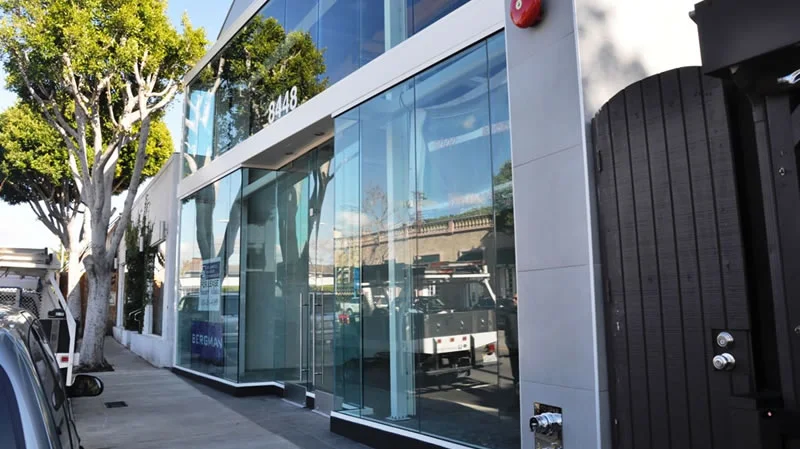 Chicago
Common Office Window Problems in Chicago Buildings
Heat comes first. Perimeter offices on the south and west sides of a building can run several degrees warmer than the core from April through October, and the HVAC system often cannot zone that difference away. Tenants respond with space heaters in the cold interior and complaints from the window seats, which is a sure sign the glass is the problem.
Glare is the second complaint, and in Chicago it peaks in winter. The low sun in December and January shines under exterior shading and straight across open-plan floors, onto monitors that were placed with summer light in mind. Snow on surrounding roofs adds to it.
Sightlines are the third. Offices along the Loop L structure on Wabash, Lake, Wells and Van Buren have trains passing at window height. Lower floors in River North face sidewalks and neighbors across narrow streets. Film can address any of these without blinds that stay closed all day.
Office Window Film for Loop Towers and Fulton Market Lofts
Chicago office space ranges from early skyscrapers with operable double-hung windows to glass curtain-wall towers along Wacker Drive to converted warehouses in Fulton Market and the West Loop. Each has different glass and different constraints.
In older Loop buildings, single-pane or early insulated glass in metal frames is a good candidate for solar or low-E film, often with real comfort gains. Modern towers usually have high-performance insulated units, and film choices are narrower because of thermal stress and warranty limits. In Fulton Market lofts, large industrial windows with many lites bring a lot of light and a lot of heat, and tenants often want to keep the industrial look while making the space usable.
We identify the glass on every floor before specifying, and we can provide documentation that the selected film is compatible with the existing units.
Working With Chicago Property Managers on Office Window Film
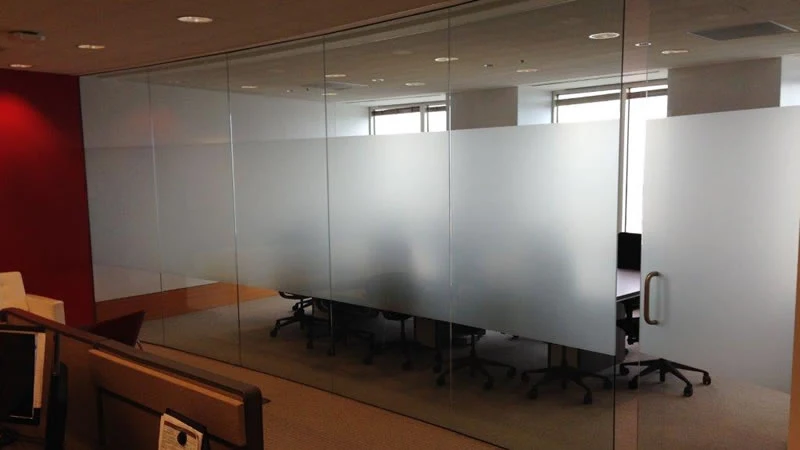
Most office buildings require landlord approval for anything applied to exterior glass. Managers usually want to see the film specification, a sample to check the exterior appearance against other floors, a certificate of insurance naming the building and ownership, and a schedule that does not interfere with other tenants.
We prepare that package as part of the quote. Where a building already has treated floors, we match the existing film so the facade looks uniform from the street. Freight elevator reservations, loading dock times and after-hours access are part of the planning on downtown jobs.
Office Window Film Installation Without Downtime
Office film installation is quiet work, but it does require access to every window and moving desks or credenzas away from the glass. We usually work evenings, weekends or in phases of a few offices at a time, so people can return to their desks the next morning.
Film needs time to dry, and in cold months a light haze may be visible for a few weeks. We leave staff with simple instructions: do not clean the film for the first period, and use a soft cloth and a non-abrasive cleaner after that. Building window washers should be told which floors are filmed, since scrapers used on bare glass will damage film if anyone works on the interior side.
What Office Window Film Does for Chicago Workplaces
Even Office Temperatures by the Window
Solar control film cuts heat on south and west glass so perimeter offices stay closer to the temperature of the core, and facilities stop fielding complaints from both ends of the floor.
Office Glare Control Through Chicago Winters
Film reduces low-angle winter glare on monitors and meeting room screens, so staff can keep the blinds open and the view of the river or skyline stays part of the office.
Office Privacy From the L and the Street
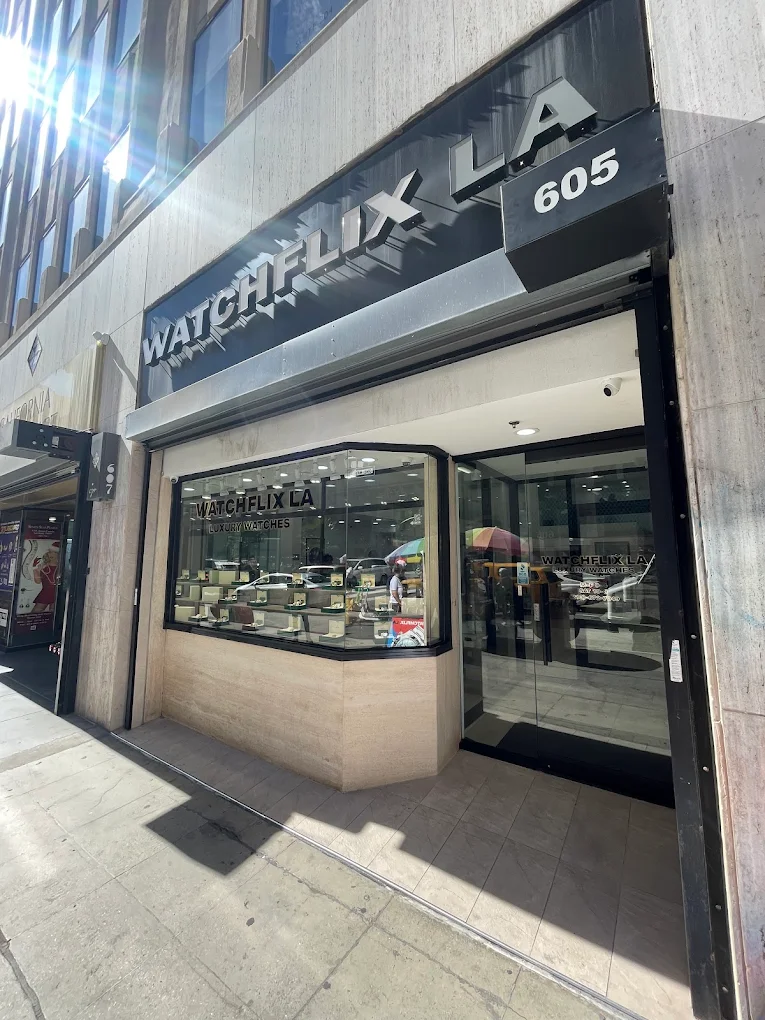
Frosted bands and daytime reflective films block views into lower-floor offices from L platforms, trains and sidewalks without blocking daylight to the desks behind them.
Office Window Film That Supports Energy Goals
Lower cooling load and, with low-E film, reduced winter heat loss feed into the building's energy use, which matters for owners reporting under Chicago's energy benchmarking ordinance.
Office Window Film FAQs for Chicago Tenants and Managers
Can a tenant install office window film without the landlord?
Rarely. Most leases treat exterior glass as building property, and film affects appearance and window warranties. Ask your property manager first. We supply the specs they will want to see.
Will office window film match the rest of the building?
We can match existing filmed floors or follow the building's standard. When no standard exists, we recommend a neutral film that is hard to notice from the street.
How many nights does an office window film job take?
A small suite can often be finished in one evening. A full floor of a downtown tower usually runs across several nights or one weekend, depending on how much glass there is and how easily we can reach it.
Can office window film be removed at the end of a lease?
Yes. Film can be stripped and the glass cleaned, which is often a lease requirement. We can quote removal at the same time as installation if your lease requires restoration.
Window film quote
Office Window Film Pricing for Chicago Suites and Floors
Tell us the building, floor, rough glass area and the problem, whether heat, glare or privacy. Building rules and move-in dates belong in the request too. The quote form covers it; info@windowfilmchicago.pro suits managers forwarding tenant paperwork.
Prefer email? info@windowfilmchicago.pro