
Clear film against fading
UV Protection Window Film in Chicago
Fading in a Chicago home is not only a summer problem. Low winter sun reaches farther into a room than July sun does, and UV protection window film keeps working through every month the light gets in.
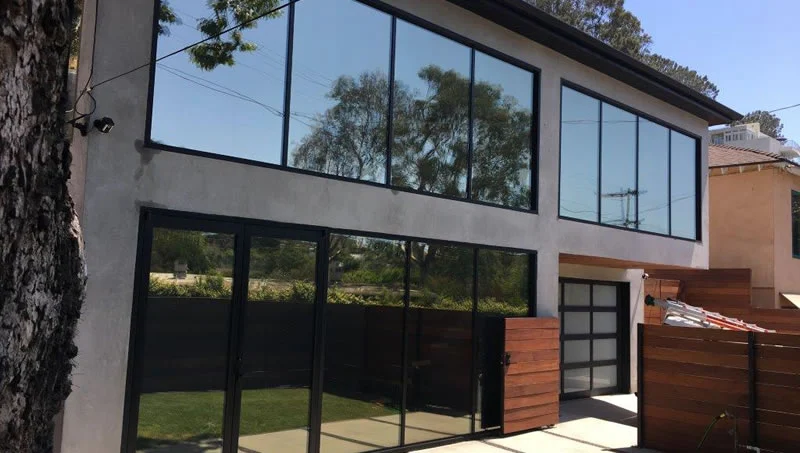 Chicago
Why Chicago Rooms Fade in Winter as Well as Summer
People are often surprised that their floors fade fastest in the parts of the room the summer sun never reaches. The reason is sun angle. In June, the midday sun is high and its light lands close to a south window. In December and January it is low, so the same window throws a long patch of light deep across the floor, onto the sofa and up the back wall.
Snow adds to it. A white yard or rooftop reflects a large share of sunlight, including ultraviolet, back up toward windows. Owners who rearranged furniture years ago can usually see the faded outline of the old layout on the floor, and much of that damage happened in the cold months.
UV protection film does not care about season. It blocks the ultraviolet portion of sunlight every time light comes through, which is why it often makes sense even on windows that never get hot.
What UV Protection Window Film Blocks and What It Cannot
Most quality window films, including nearly clear ones, block the large majority of ultraviolet light, often 99 percent as rated by the manufacturer. Ultraviolet is the biggest single driver of fading in dyes, wood finishes and paper. Cutting it slows fading significantly.
It does not stop fading completely. Visible light and heat also break down dyes and finishes over time. If a room holds something truly irreplaceable, such as original works on paper or old textiles, the best protection combines UV film with a film that also reduces visible light, plus shades during the brightest hours. We will explain the tradeoff honestly rather than promise a room that never fades.
Ordinary window glass already blocks some shorter-wave UV, but a meaningful share of longer-wave UV still gets through. That is the part film is designed to stop.
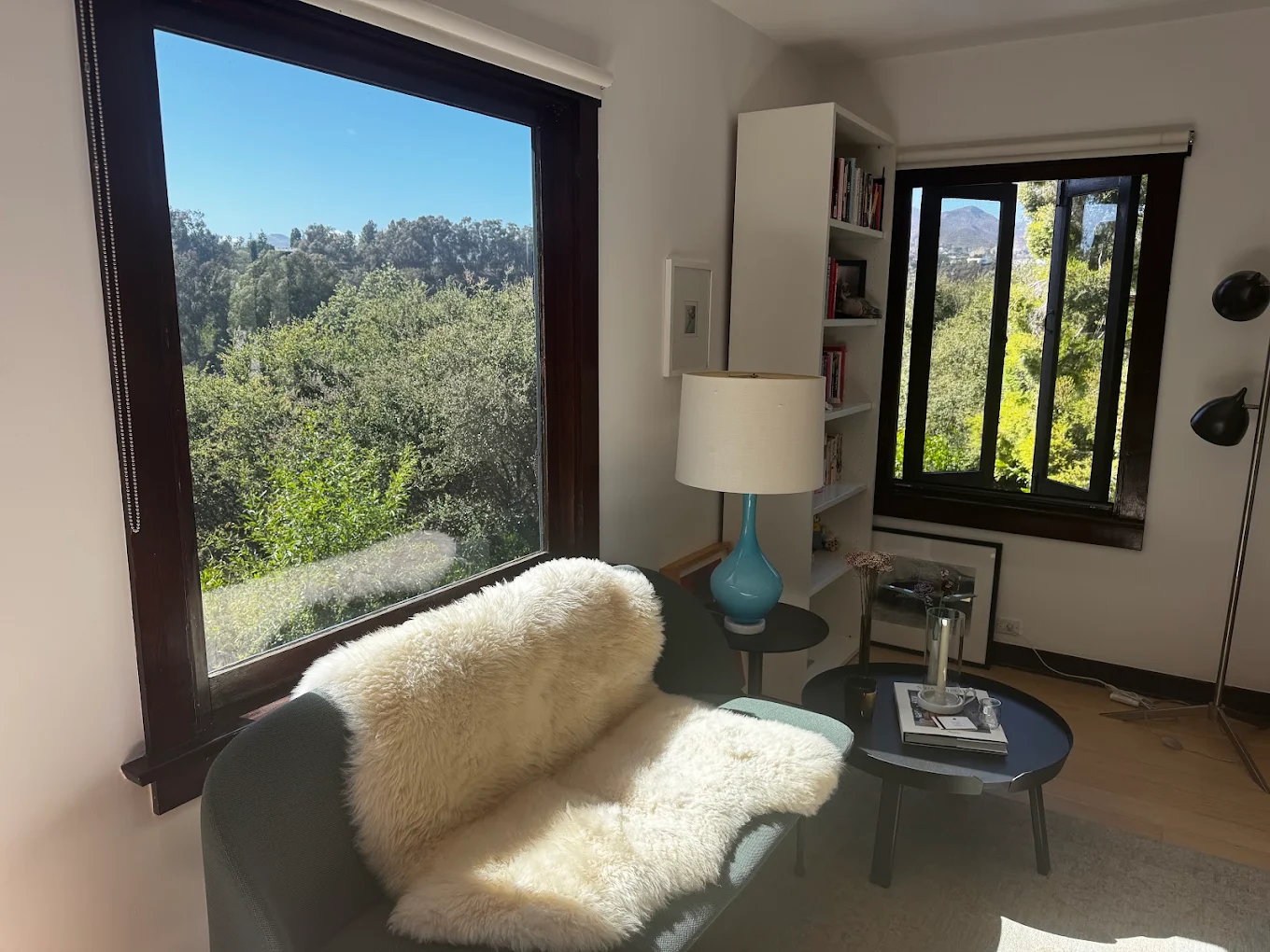
UV Window Film for Chicago Hardwood, Built-Ins and Art Glass
Vintage Chicago apartments and houses are full of finishes worth protecting: oak and maple strip floors, quarter-sawn built-in bookcases, original stained woodwork in Hyde Park and Andersonville homes, and leaded art glass in bungalow front windows. Wood darkens or bleaches depending on species and finish, and once it changes color, refinishing is the only way to even it out.
Clear UV film is usually invisible once installed. On plain sash it is cut to the glass edge. On leaded art glass, the panels are uneven and the lead came stands proud, so film is either cut piece by piece to each pane or applied to an interior protective glazing panel if the house has one. We look at the glass before promising either approach.
UV Protection Film for Gold Coast and Lakefront Collections
High-rise units along the Gold Coast and the lakefront often hold the furniture, rugs and art their owners care most about, and they sit behind floor-to-ceiling glass with no trees or neighbors to shade it. East-facing units get intense morning sun reflected off Lake Michigan, and corner units get it from two directions.
For those homes we usually recommend a clear or very light film that keeps the view untouched while cutting ultraviolet, and sometimes a light selective film on the most exposed elevation. Building rules on exterior appearance are rarely a problem with clear UV film, because it does not visibly change the facade.
What UV Protection Window Film Does in a Chicago Home
Slower Fading of Chicago Hardwood Floors
Blocking UV slows the bleaching and darkening that leaves a ghost outline around rugs and furniture. Refinishing a vintage strip floor is expensive and removes wood each time, so protecting the finish you have pays off.
Clear UV Film That Keeps the View
Clear UV films have little effect on daylight or color, so the room looks the same and the view stays sharp. Neighbors and associations generally cannot tell the film is there.
UV Protection for Art and Fabric
Paintings, prints, photographs, upholstery and rugs last longer with less UV exposure. For valuable collections, UV film can be combined with light-reducing film and shades for extra protection.
UV Window Film for Skin Exposure Indoors
Desks and reading chairs beside a sunny window expose people to UV through ordinary glass. Film blocks most of it, which some homeowners value as much as the protection for furniture.
UV Protection Window Film FAQs for Chicago
Does clear UV window film look different from regular glass?
Very little. Up close you may see a faint edge line where the film stops. From across the room or from the street, most people cannot tell the window is filmed.
Is UV film worth it on north-facing Chicago windows?
North glass gets little direct sun but still passes skylight and reflected light, including some UV. If the room holds art or delicate fabrics, clear UV film is a reasonable low-cost step. Otherwise, south, east and west glass are the priority.
Do new windows already block UV?
Plenty of recent windows carry a low-E coating that already stops much of the ultraviolet. Single-pane sash and early double-pane units stop far less. A quick check of your glass tells us whether film adds much protection.
Can UV film go on leaded or stained glass?
Sometimes, with care. Uneven panes and raised lead lines make it harder. Where film cannot be applied neatly, we suggest filming an interior protective panel instead.
UV Protection Window Film Service Areas in Chicago
Window film quote
Price UV Protection Window Film for Your Chicago Home
Send photos of the sunniest rooms and anything you are trying to protect, such as floors or art, plus rough window sizes. The quote form handles uploads, or use info@windowfilmchicago.pro.
Prefer email? info@windowfilmchicago.pro